Choosing a fence in Orlando is not just about picking the style that looks best from the street. The right fence depends on how much privacy you need, whether the yard has a pool, how the property is laid out, what your HOA allows, and how the material will hold up in Central Florida's heat, humidity, rain, and storms. Popular fence styles in Orlando, including vinyl privacy fences, aluminum pool fences, wood fences, and chain link fences, each offer different trade-offs in cost, maintenance, visibility, and long-term durability. Installation realities such as Orlando’s sandy or wet soil conditions, drainage needs, wind exposure, gate and latch alignment, property lines, easements, and local regulations all play critical roles in selecting the best fence.
What fence styles are most popular for Orlando homes?
In Orlando, several fence styles stand out due to their suitability for the local environment and homeowner preferences. Vinyl, wood, aluminum, and chain link fences are among the most favored choices, each with distinct advantages and considerations.
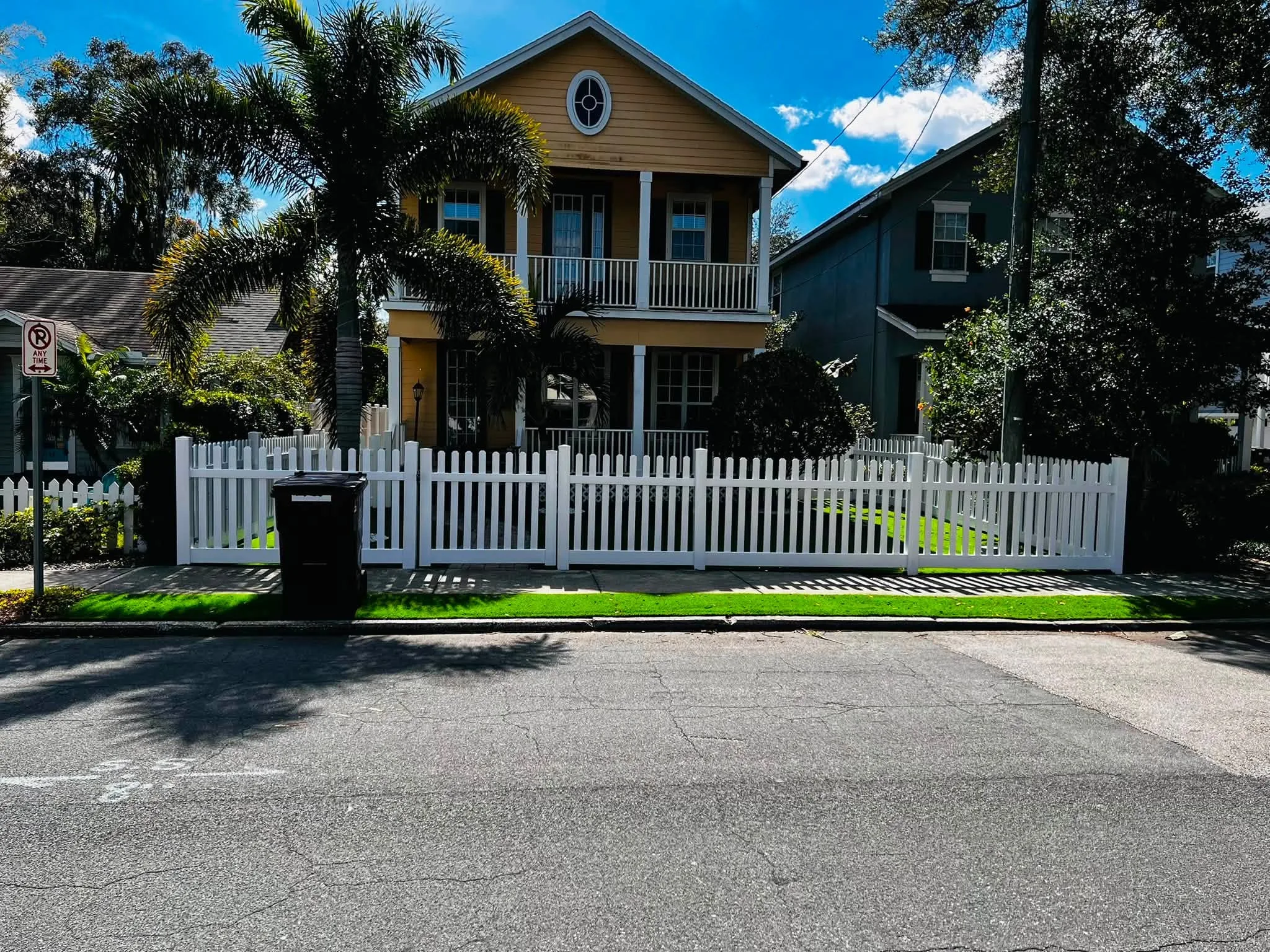
Vinyl fences: Known for low maintenance and resistance to weather damage, vinyl fences offer durability and a clean appearance. Quality vinyl is designed to resist moisture, rot, insects, and sun exposure, but UV protection, panel quality, and installation still affect long-term performance. They can provide solid privacy but may require careful post installation in areas with strong winds or sandy soil to prevent shifting.
Wood fences: Offering a classic and natural look, wood fences provide excellent privacy and customization options. Homeowners should be aware that wood requires regular upkeep to prevent damage from humidity, termites, mildew, and UV exposure common in Orlando.
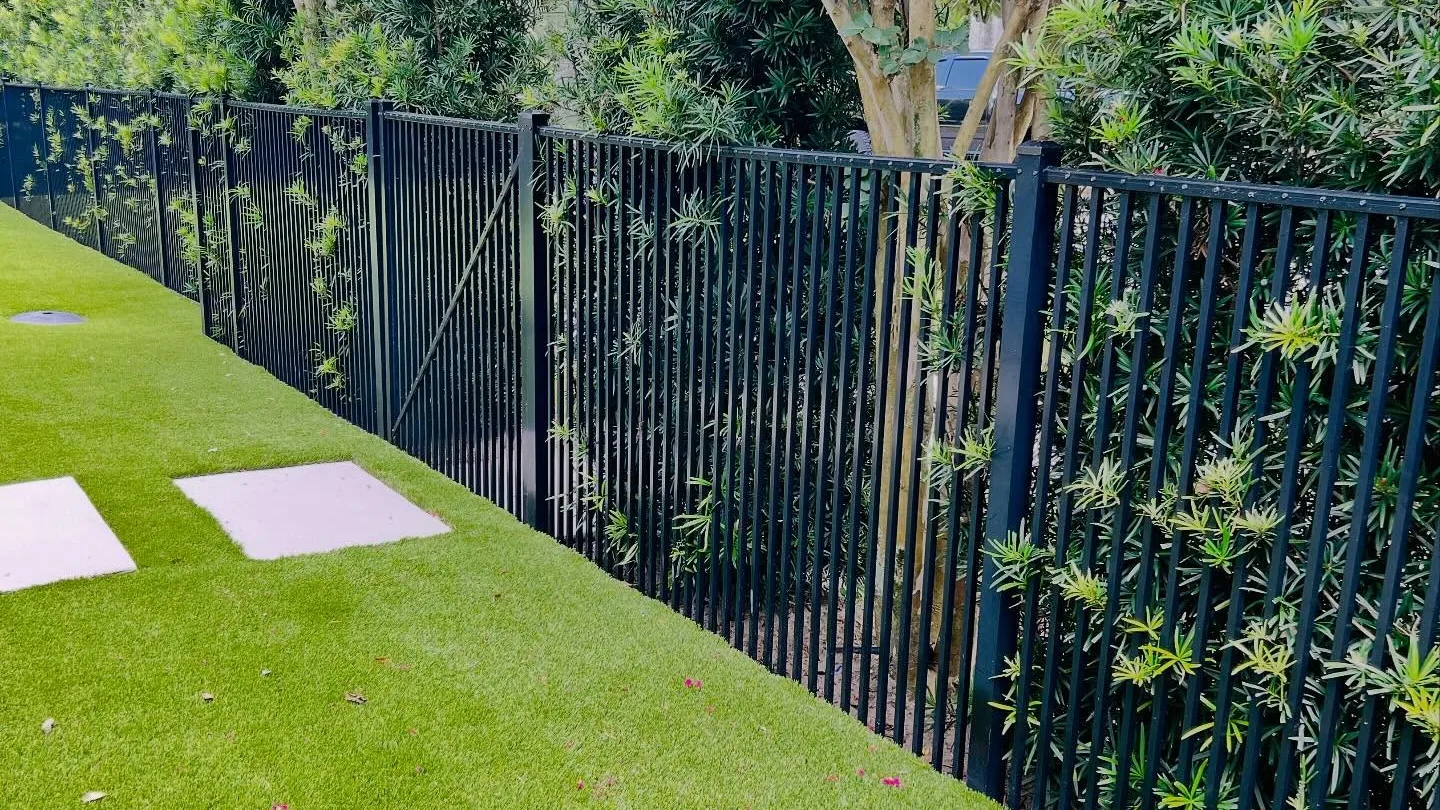
Aluminum fences: Combining strength with an elegant appearance, aluminum fences resist rust and corrosion, making them well-suited for the humid climate. Aluminum fences provide an open boundary and can work well for pools, but privacy and security depend on height, picket spacing, gates, and layout.
Chain link fences: A cost-effective and practical option, chain link fences provide a budget-friendly solution for containment and visibility, and are commonly used to contain pets and children. Protective coatings help prevent corrosion in Orlando’s moist environment.
What should you check before installing a fence in Orlando?
Property lines and easements: Verify property boundaries and any easements to ensure fence placement complies with and avoids disputes. Fences in or near easements may require additional review and should not block required access.
Local regulations and HOA standards: Understand Orlando’s fence height restrictions, material allowances, and HOA rules before choosing a style.
Drainage and soil conditions: Conduct site evaluation for sandy or wet soil that can affect post stability and drainage requirements to avoid water pooling around fence posts.
Wind and storm exposure: Select materials and installation techniques rated for resistance to Orlando’s frequent storms and high winds.
Gate and latch alignment: Proper installation helps gates latch securely and operate smoothly, especially on uneven terrain. Ensure gates meet local setback requirements (generally 20 feet from the property line for driveway gates).
Pool barrier rules: If the yard contains a pool or spa, specific safety barrier requirements apply to fences and gates.
Utility marking and sprinkler systems: Before digging post holes, contact 811 to mark underground utilities and identify irrigation lines to prevent damage.
Do Orlando homeowners need a permit for fence installation?
Orlando’s fence permit requirements can be nuanced. Many standard residential fences 6 feet or less do not require permits, but specific conditions do trigger permit needs. These include:
Fences taller than 6 feet
Pool or spa barrier fences
Corner lots with visibility triangle considerations
Fences along public easements or rear alleys
Powered or vehicular gates
Commercial properties
Properties in floodplain or floodway zones
Homeowners should verify requirements with the City of Orlando or Orange County before proceeding to ensure compliance and prevent costly delays.
What are Orlando’s fence height and location restrictions?
General guidelines for residential fences within the City of Orlando include:
Front yards: Fences are typically limited to 4 feet in height.
Side, street-side, and rear yards: Fences up to 6 feet are common, with up to 8 feet allowed when abutting commercial or industrial properties.
Driveway gates: Must be set back at least 20 feet from the property line for vehicle clearance and safety.
Visibility triangles: Fences must not obstruct visibility at street corners or driveways, maintaining clear sight lines for traffic safety.
Following these rules helps avoid correction notices, visibility problems, or placement issues.
Is vinyl fencing a good choice for Orlando weather?
Vinyl fences offer several advantages in Orlando’s climate:
Low maintenance: Quality vinyl is designed to resist moisture, rot, insects, and sun exposure, requiring minimal cleaning and no staining or painting.
Durability: Properly installed vinyl fences can perform well in heavy rain and humidity when posts, panels, gates, and drainage are handled correctly.
Privacy: Solid panels block views and may reduce some yard noise, but they should not be treated as full sound barriers.
However, vinyl can become brittle in extreme cold snaps and may flex during high winds if not reinforced properly with concrete footings and appropriate post settings.
Is wood fencing practical in Orlando’s humidity?
Wood fences provide a natural aesthetic but require ongoing care in Orlando’s humid environment:
Regular staining and sealing: Protects wood from moisture intrusion, minimizing rot and mildew growth.
Pest control: Treatments help prevent termite damage, which is common in Central Florida.
UV protection: Sunlight can cause fading and cracking; protective coatings extend lifespan.
Without maintenance, wood fences may deteriorate faster and require more frequent repairs or replacement.
When does aluminum fencing make sense for Orlando properties?
Pool areas: Aluminum is ideal for meeting pool safety codes while maintaining visibility.
Low maintenance: Rust-resistant coatings handle Orlando’s humidity and occasional salt exposure from fertilizers or pools.
Modern appearance: Sleek styles complement contemporary homes and landscaping.
Aluminum fences excel in longevity and support boundary definition.
Is chain link fencing a good option for pets or security?
Chain link fences provide a budget-friendly solution for containment and visibility:
Visibility: Allows owners to supervise pets while keeping yards secure.
Durability: Galvanized or vinyl-coated chain link resists corrosion in Orlando’s climate.
Limited privacy: See-through panels mean lower privacy compared to solid materials.
Chain link is often chosen for side yards, backyards, or community parks where cost and visibility are priorities.
Practical trade-offs in fence selection for Orlando
When selecting a fence style, homeowners must weigh benefits against potential drawbacks:
Vinyl: Offers great privacy and low upkeep, but can be costly and may require reinforced installation in windy, sandy areas.
Wood: Provides natural aesthetics and customization but needs regular maintenance and pest control to endure humidity and mildew.
Aluminum: Durable and low-maintenance with an open look, but lacks significant privacy and has a higher initial cost.
Chain link: Economical and practical, but offers little privacy and may not match all aesthetic preferences.
Understanding these trade-offs helps homeowners pick a fence that aligns with their functional needs and lifestyle.
Installation realities: What Orlando homeowners should know
Fence installation in Orlando requires attention to local environmental and regulatory factors:
Soil and drainage: Sandy or wet soils can affect post stability; professionals may use concrete footings and drainage solutions to ensure durability.
Storm and wind exposure: Strong winds necessitate reinforced posts, correct height limits, and securely mounted gates.
Gate hardware and alignment: Proper installation helps gates latch securely and operate smoothly despite uneven ground or shifting soil.
Compliance with pool barrier rules: Pool fences must meet specific height, spacing, and gate self-closing requirements to ensure safety.
Utility and irrigation line marking: Before digging, homeowners should arrange utility markings and identify irrigation or sprinkler lines to avoid damage.
Easements and corner lots: Fences near easements, driveways, or street corners may require additional review and should not block required access or sight lines.
Old fence removal and disposal: If replacing an older fence, homeowners should also confirm whether removal, disposal, and any property-line verification are included in the project scope. When comparing fence estimates, homeowners should confirm whether permits, removal, disposal, gates, hardware, and site preparation are included.
How should Orlando fence owners maintain different fence materials?
Maintenance strategies for various fencing materials differ significantly.
Wood fences: Regular staining and sealing every few years help protect against moisture and pests.
Vinyl fences: Require minimal upkeep, with occasional cleaning using soap and water to maintain appearance. In Orlando, sprinklers, shaded areas, mildew film, and storm debris can make routine cleaning and inspection more important.
Aluminum fences: These are also low maintenance; however, ensuring that any scratched areas are painted over can extend their lifespan.
Chain link fences: Routine inspections for rust, along with cleaning to prevent dirt build-up, can enhance longevity.
By understanding proper maintenance practices, homeowners can keep their fences looking great and functioning well for years.
Final thoughts on popular fence styles in Orlando
The best fence style for an Orlando home depends on what the yard needs most. Vinyl and wood fences are often stronger choices for privacy, while aluminum works well for pools and open-view boundaries. Chain link can be practical for budget-friendly containment of pets and children. Before choosing, homeowners should consider HOA rules, property lines, easements, pool-barrier requirements, wind exposure, drainage, gates, and how much maintenance they are willing to handle. A fence that looks good on one property may not be the right fit for another if the layout, soil, code requirements, or long-term upkeep differ.